
Creating a premium gift bible line is a big challenge. You worry about choosing the wrong materials that look cheap or fall apart. A poor choice can hurt your brand’s reputation quickly. I know how stressful sourcing these specific items can be. We need to look closely at the materials and packaging that truly signal quality.
The best premium gift bibles combine durable cover materials like bonded leather or high-grade PU with acid-free, low-opacity paper. Essential features include Smyth-sewn binding for lay-flat capability and gold or silver edge gilding. For packaging, rigid two-piece boxes or custom slipcases protect the product and elevate the unboxing experience. These elements guarantee a product that lasts a lifetime.
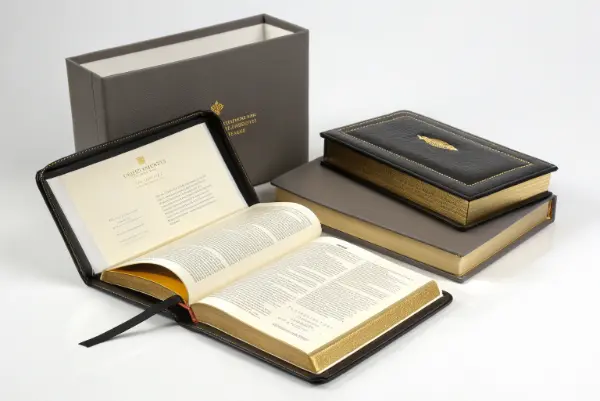
I remember a project a few years ago where we focused only on the cover. We ignored the box quality. The bibles arrived with dented corners, and the customer was unhappy. It was a hard lesson. Since then, I look at the whole package. Let’s explore the specific details you need to know.
What are the best cover materials for premium gift bibles?
Deciding between real leather and other options is difficult. You want a luxury feel, but the cost must be reasonable. If the cover feels like plastic, customers will not buy it. We have to find the balance between cost, durability, and texture.
Top choices include genuine leather for luxury, bonded leather for durability, and high-quality PU (Polyurethane) for vegan-friendly options. PU allows for more color variety and texture embossing while mimicking the soft feel of leather. Cloth covers offer a modern, tactile appeal. The choice depends on your target price point and audience preference.
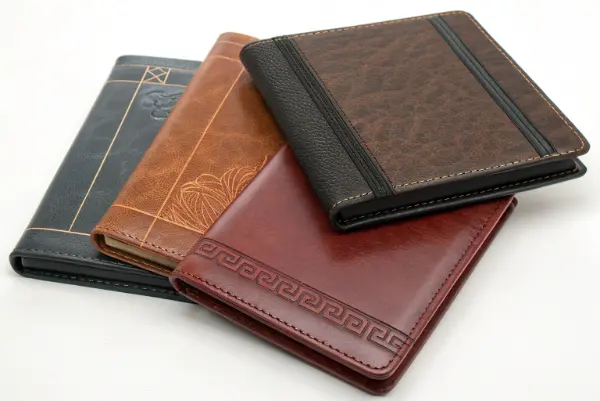
I have spent many hours in factories touching different material swatches. For a long time, genuine leather was the only option for "premium" goods. But things have changed. Now, high-end PU materials are very popular. They are soft, water-resistant, and consistent in color. This is great for large production runs where you need every book to look the same.
When we work on a new line at Panoffices, we often suggest PU with a "thermo" property. This means when you stamp a logo on it with heat, the material changes color slightly. It creates a beautiful, two-tone effect that looks very expensive.
Cloth covers are another interesting trend. They feel warm and natural. However, they can get dirty easily. If you choose cloth, I recommend a protective coating. You also need to consider the backing of the material. A strong backing ensures the cover does not warp over time.
Here is a simple breakdown of the materials we often use:
| Material Type | Cost Level | Durability | Best For |
|---|---|---|---|
| Genuine Leather | High | Very High | Top-tier luxury editions, heirloom gifts |
| Bonded Leather | Medium | High | Traditional look, durable usage |
| Thermo PU | Medium | Medium-High | Modern designs, color changing logos |
| Linen Cloth | Low-Medium | Medium | Design-focused, younger demographics |
You must choose the material that fits your buyer’s lifestyle. A student might want a colorful PU cover. A professional might want classic black leather. We can customize all of these to fit your brand.
How does paper quality affect the reading experience?
Thin pages that tear easily frustrate every reader. You also do not want "ghosting," where the text from the other side shows through. This makes reading difficult and tiring for the eyes. The right paper choice makes a huge difference in user satisfaction.
Premium bible paper typically ranges from 28gsm to 40gsm. It must be thin to keep the thick book manageable but opaque enough to prevent text bleed-through. Acid-free paper is essential to prevent yellowing over time. Titanium dioxide coating is often used to improve whiteness and opacity. High-quality paper ensures a smooth touch and clear printing.
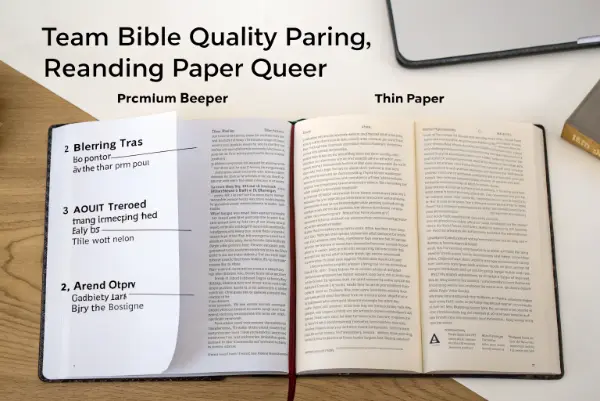
Paper is the heart of any book. For bibles, it is even more critical because the book has so many pages. If we use standard book paper (like 80gsm), the bible would be ten centimeters thick! It would be too heavy to carry. So, we must use special "bible paper."
I always check the opacity first. Opacity is how much light passes through the paper. We want high opacity. Good mills add titanium dioxide to the pulp. This makes the paper whiter and less transparent. I once had a client who wanted to save money on paper. They chose a cheaper, lower opacity option. When the final product arrived, you could see the words from the next page. It looked messy. We had to reprint the whole batch. It was a costly mistake.
Another factor is the "grain direction." The grain of the paper must run parallel to the spine. This helps the pages turn smoothly. It also helps the book lay flat. If the grain is wrong, the pages will fight against you when you turn them.
We also look at the color tone. Some markets prefer a bright white paper. Others prefer a soft cream or ivory color. Cream is often better for long reading sessions as it is easier on the eyes. At Panoffices, we provide samples of both so you can test them under different lights.
Why is binding style crucial for durability and aesthetics?
A bible that falls apart after a year is a disaster for a brand. Glued spines often crack when you open the book wide. We need a binding method that endures daily use and travel. Durability is just as important as the design.
Smyth-sewn binding is the gold standard for premium bibles. It involves sewing signatures of paper together, allowing the book to lay completely flat when open without breaking the spine. Thermal binding is cheaper but less durable. For gift editions, adding ribbon markers and headbands reinforces the structure and adds a touch of elegance.
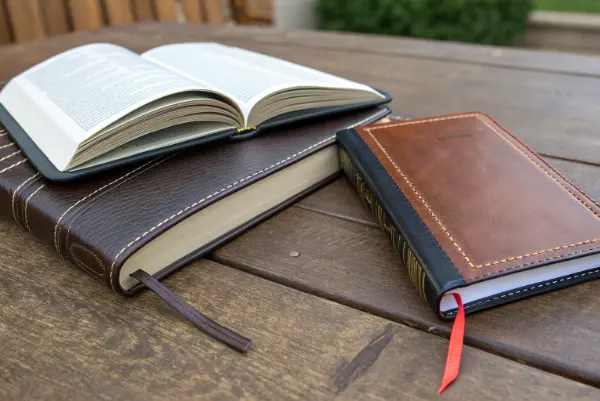
You might not see the binding, but you feel it. Pick up a high-quality bible and open it to the middle. Does it stay open on the desk by itself? Or does it try to snap shut? If it stays open, it is likely Smyth-sewn.
This technique uses thread to stitch groups of pages (signatures) together. Then, these groups are glued at the spine. This is very strong. I have a notebook from ten years ago with this binding. I use it every day, and the pages are still secure. For a gift bible, this is a must-have feature. It tells the customer that this is a premium product.
Perfect binding, which uses only glue, is common for paperbacks. But for a thick book like a bible, the glue can dry out and crack. Once the glue cracks, pages fall out. We want to avoid this.
We also pay attention to the details. Ribbon markers are very helpful. We can match the ribbon color to the cover or the headbands. Headbands are the small pieces of colored cloth at the top and bottom of the spine. They hide the glue and the edges of the signatures. These small details add a lot of value. They make the product feel finished and thoughtful. At Panoffices, we can even add double or triple ribbons for better organization.
Which packaging solutions add the most value to gift sets?
You have a great product, but a bad box can ruin the sale. If the box looks cheap, the customer thinks the product is cheap too. The unboxing moment is critical for gifts. You need packaging that offers both protection and style.
Custom slipcases and rigid two-piece boxes are the most effective packaging solutions. Slipcases allow the spine to be seen while protecting the pages. Rigid boxes offer a premium "gift" feel and provide maximum protection during shipping. Adding magnetic closures, foil stamping on the box, or EVA foam inserts can further increase the perceived value.
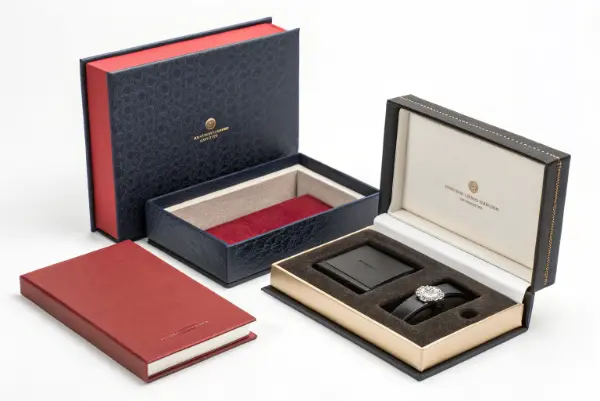
Packaging is the first thing your customer touches. It sets the stage. In the B2B world, we often focus so much on the product that we forget the box. I always tell my clients: the box is your silent salesman.
For gift bibles, a "slipcase" is a classic choice. It is a box with one open side. The book slides in. This protects the page edges from dust and damage. It looks very traditional and scholarly.
However, for a modern gift set, I prefer a rigid two-piece box (lid and base). These boxes are very strong. They are made from thick greyboard wrapped in art paper. We can print your design all over the box. We can also use special finishes like "spot UV" (shiny coating) or hot foil stamping in gold or silver.
I recently helped a brand in Europe launch a confirmation gift set. We used a magnetic closure box. It shuts with a satisfying "click." Inside, we used a custom EVA foam insert. The bible sat on one side, and a high-quality metal pen sat on the other. The presentation was stunning. The foam holds everything in place during shipping, so nothing arrives damaged.
We also need to think about sustainability. We can use recycled cardboard and soy-based inks for the packaging. This is very important for the European market right now.
Conclusion
Creating a premium gift bible requires attention to every detail. You must choose the right cover material, ensure the paper is opaque, select durable binding, and finish with beautiful packaging. At Panoffices, we help you navigate these choices. We ensure your final product is functional, beautiful, and ready for the market.
