
Sourcing the right manufacturer for Bibles is a stressful task for any product manager. You worry about thin paper tearing during production or ink bleeding through to the other side. One mistake in the supply chain can destroy your brand’s reputation for quality. This guide compares global production standards to help you choose the right partner.
Global Bible manufacturing standards vary significantly by region. European and American printers often focus on premium heritage binding and archival paper, while Asian manufacturers, particularly in China, offer advanced technology for thin paper printing and cost-effective mass production without sacrificing quality. Choosing the right region depends on your specific balance of budget, volume, and desired material luxury.
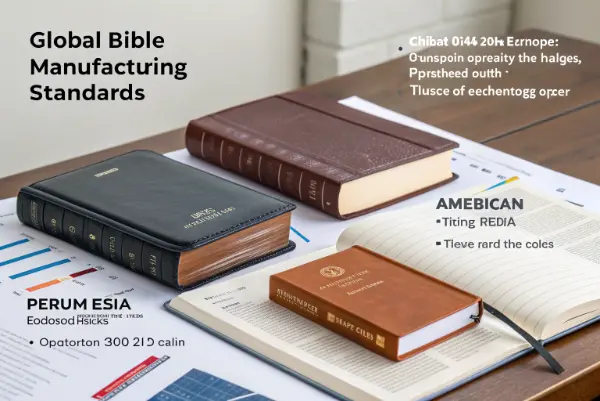
I remember my first time visiting a printing factory years ago. The smell of ink and the sound of machines were overwhelming. But I learned quickly that not all factories are the same. The machines might look similar, but the standards and attention to detail change depending on where you are in the world. Let’s look at the specific differences that matter to your business and your bottom line.
How does paper opacity and thickness vary between manufacturing hubs?
Bible paper is difficult to handle because it is so thin. If the paper is too transparent, the text becomes unreadable. This frustrates your customers and leads to product returns.
European mills generally produce traditional high-opacity paper, often at a higher price point due to material costs. Asian manufacturers have developed specialized "Bible paper" ranging from 28gsm to 40gsm that offers excellent opacity and printability at a much lower cost. The key difference lies in the specific pulp blends and coating technologies used in each region.
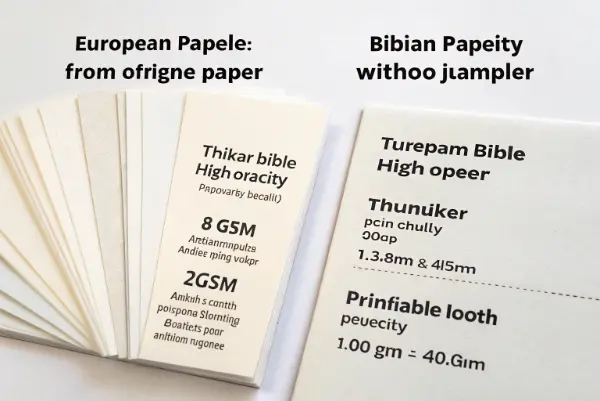
When we talk about Bible production, the paper is the most critical element. In my experience, this is where most disputes happen between buyers and factories. You need paper that is thin enough to keep a 1,000-page book light, but thick enough so you cannot see the words on the next page. This is called opacity.
In Europe, the standard for opacity is very high. They use titanium dioxide coatings to make the paper white and opaque. This works very well, but it makes the paper expensive. For a mass-market product, this might hurt your profit margins.
In China and other parts of Asia, the technology has changed a lot in the last ten years. We now see factories using high-speed web offset printing machines specifically designed for thin paper. They can handle 28gsm or 30gsm paper without tearing it. The opacity standards in top-tier Chinese factories now rival European standards. They achieve this by using specific wood pulp blends that are strong yet thin.
Here is a breakdown of what you typically find in different regions regarding paper standards:
| Feature | European Standard | Asian Standard (China/Korea) | Other Regions (India/SE Asia) |
|---|---|---|---|
| Typical Weight | 35gsm – 50gsm | 28gsm – 45gsm | 40gsm – 60gsm |
| Opacity | 88% – 92% | 84% – 90% | 80% – 85% |
| Texture | Very smooth, coated | Smooth, semi-coated | Often rougher, uncoated |
| Cost | High | Medium/Low | Low |
I have seen samples from smaller factories in Southeast Asia where the paper felt rough. The ink absorption was poor, leading to fuzzy text. If you are targeting a professional or student market in Germany or the UK, clarity is everything. You cannot sacrifice the crispness of the text. Therefore, while cost is important, the ability of the region’s machinery to handle delicate, thin paper without jamming or ghosting is the deciding factor.
What defines the standard for long-lasting binding in different countries?
A Bible is a book that people open every day. If the binding cracks or pages fall out, the user will be angry. You lose their trust immediately.
European standards often favor Smyth sewn binding for superior lay-flat ability and longevity. Manufacturers in China have adopted these standards, utilizing automated sewing machines to ensure consistency for large orders. However, some lower-cost regions still rely on perfect binding or standard glue, which is less durable for heavy books like Bibles.
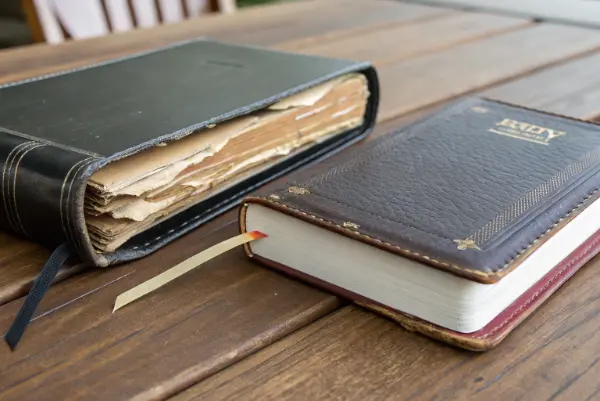
Binding is the backbone of any book. For Bibles, it is even more important because the book is thick. A standard paperback novel can use simple glue. A Bible cannot. It needs to lay flat on a table so the reader can study it.
In the United States and Western Europe, the expectation for a "quality" Bible is Smyth sewing. This is a method where groups of pages (signatures) are sewn together with thread before being glued to the spine. This allows the book to open fully without breaking the spine. It is a slow process compared to simple gluing.
When I look at production in China, I see a shift. Ten years ago, many factories only offered perfect binding (glue only). Today, professional stationery and book manufacturers, including us at Panoffices, use automated sewing lines. These machines run 24 hours a day. They offer the same durability as European binding but at a fraction of the labor cost.
However, you must be careful with other regions. In some emerging manufacturing hubs, they still use EVA glue. This glue is cheap, but it becomes brittle over time. If the weather gets cold, the glue cracks. If it gets hot, it melts.
The "Open Test" Standards
To understand the difference, you can perform a simple test:
- The Lay-Flat Test: Open the Bible to the middle. Does it stay open on its own?
- Europe/Top-tier China: Yes, the spine is flexible.
- Budget Regions: No, it snaps shut like a mousetrap.
- The Pull Test: Hold a single page and pull gently.
- Europe/Top-tier China: The page holds firm because it is sewn.
- Budget Regions: The page might detach because the glue did not penetrate the paper fibers.
The glue type matters too. High-standard regions use PUR glue. It is flexible and strong. It bonds well even with coated paper. Lower-standard regions avoid PUR because it requires expensive machinery and strict maintenance. As a buyer, you must specify "Smyth Sewn with PUR adhesive" in your tech pack. This ensures that no matter where you manufacture, you are setting a standard that prevents the book from falling apart after a few months of use.
Where is the best source for premium covers versus budget-friendly options?
Real leather covers are beautiful but very expensive. Using cheap plastic covers makes your brand look low-quality. It is a hard choice to make.
Italy remains the leader for genuine bonded leather, setting the global standard for luxury. However, East Asian manufacturers lead the market in high-quality PU and synthetic leathers that mimic the feel of real skin. These alternatives provide a cruelty-free and cost-effective option for modern markets that demand aesthetics without the high price.

The cover is the first thing your customer touches. It sets the emotional tone for the product. Traditionally, Bibles use calfskin or goatskin. There are tanneries in Europe that have done this for hundreds of years. The quality is unmatched, but the cost is incredibly high. This is only viable for luxury, heirloom editions.
For the mass market—students, schools, and general bookstores—you need a different solution. This is where the manufacturing standards in Asia shine. The innovation in Polyurethane (PU) materials in China is impressive.
I have handled PU covers that felt softer and more consistent than real leather. We call this "Thermo PU." When you emboss it (press a logo into it), the material changes color slightly, just like real leather does. It gives a premium look without the animal product.
Breakdown of Cover Material Standards
- Genuine Leather:
- Source: Primarily Europe (Italy) or South America.
- Pros: Smell, durability, prestige.
- Cons: Inconsistent grain, scars on hide, very expensive, ethical concerns for some buyers.
- Thermo PU (Synthetic):
- Source: China/Taiwan.
- Pros: Consistent grain, waterproof, reacts well to heat stamping, vast color options, vegan-friendly.
- Cons: Perceived value is lower than leather (though changing).
- Paper/Hardcover:
- Source: Global.
- Pros: Cheapest option, good for full-color printing.
- Cons: Corners wear out quickly, feels less special.
Another aspect to consider is the edge gilding. This is the gold or silver foil on the edges of the paper. In high-standard regions, this is done with heat transfer foil that does not scratch off easily. In lower-standard production, they might spray paint the edges. Spray paint looks good for one week. After that, it sticks pages together or flakes off on the customer’s hands.
When I work with clients, I often suggest a high-grade Thermo PU. It allows for beautiful design work, like intricate foil stamping or debossing, which is a strength of Chinese manufacturing. The machines used for cover making here are precise. They ensure the corners are wrapped tightly and the glue does not bubble. This gives you a product that looks like it costs $100, but retails for $30.
Which regions are prioritizing eco-friendly standards for large-scale printing?
Regulations are tightening, and consumers want green products. If you ignore sustainability, you risk fines or customer rejection. You cannot ignore this shift.
Europe enforces the strictest environmental regulations like REACH. Leading Chinese manufacturers now comply with these global standards, offering FSC-certified paper and soy-based inks. It is crucial to verify certifications, as standards in other developing manufacturing hubs may vary significantly regarding waste management and chemical usage.
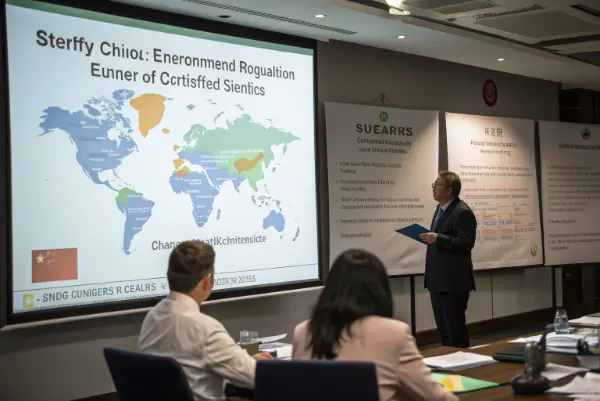
Sustainability is no longer just a buzzword. It is a requirement. In Germany, I know that buyers like Michael look for the FSC (Forest Stewardship Council) logo. This guarantees that the paper comes from responsibly managed forests.
Historically, Europe and North America led the way in green printing. They banned toxic chemicals and enforced recycling. However, many people do not realize how fast the standards in China have changed. The government here has cracked down on pollution. Small, dirty factories have been shut down.
Today, a professional manufacturer in China operates with standards that align with Western expectations.
Key Sustainable Standards to Look For
- Soy-Based Inks:
- Old standard: Petroleum-based ink. It releases Volatile Organic Compounds (VOCs).
- New Standard (Global): Soy or vegetable ink. It is renewable, easier to remove during recycling, and produces brighter colors.
- Paper Sourcing (FSC):
- You must ask for the FSC Chain of Custody number. This allows you to trace the paper back to the tree. Major Chinese mills now offer this as a standard option.
- Glue and Chemicals:
- We must ensure the glue is non-toxic. The REACH regulation in Europe lists substances of very high concern. Your manufacturer must be able to provide test reports showing their products are REACH compliant.
I have seen issues with manufacturers in other developing regions where water treatment is poor. They might dump ink waste into local rivers. This keeps their costs low, but it is a massive risk for your brand. If an investigative journalist finds out your Bibles are polluting a village, the damage is irreversible.
At Panoffices, we prioritize these standards not just because it is the law, but because it is the future of trade. We use waste separation systems and energy-efficient UV printing machines. When you compare regions, do not just look at the price per unit. Ask for their environmental certificates. Ask about their ink. A truly "high standard" product today must be clean for the planet, not just clean on the page.
Conclusion
Choosing a manufacturing region for Bibles requires balancing tradition with technology. Europe offers heritage quality but at a high cost. Emerging markets offer low prices but risk quality consistency. Top-tier Chinese manufacturers currently offer the best balance, providing advanced thin-paper technology, durable sewing, and sustainable practices that meet strict European standards.
