
Finding the right cover for a premium Bible is a challenge. Hardcovers are often too stiff and formal, while standard softcovers lack the durability a sacred text deserves. This mismatch can lead to frustrated users and a product that fails to convey the quality within, creating a perception of poor craftsmanship for a book meant to last a lifetime.
The best solution for a premium, durable, and flexible Bible is flexibinding with a latex-saturated board. This method combines a strong, Smyth-sewn book block with a flexible cover made from latex board. This material provides exceptional tear resistance and flexibility, allowing the Bible to lay flat without damaging the spine. It offers the luxurious feel of a softcover with the longevity of a hardcover, making it the superior choice for high-end Bible production.
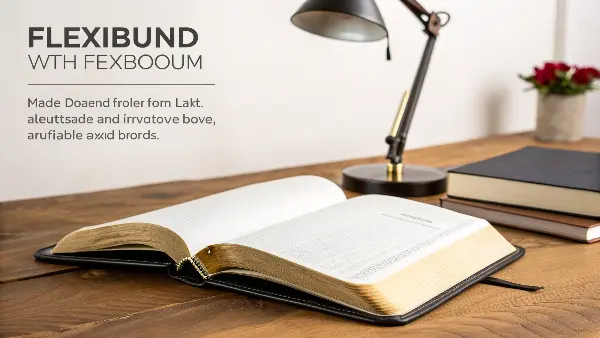
You’ve probably felt the difference yourself. A stiff book fights you, refusing to stay open, while a flimsy one feels cheap and disposable. The cover material and binding method are not just details; they define the entire user experience. When we talk about premium stationery and books, especially something as significant as a Bible, these elements are everything. But what exactly makes this combination of latex board and flexibinding so special? Let’s break down the components and discover why this is the go-to choice for quality.
What Exactly Makes Latex-Saturated Board Ideal for Flexibinding?
You are sourcing materials for a high-end product and need something that feels luxurious but can also withstand daily use. Standard paperboards crack under pressure, and synthetic materials can feel cheap. You need a cover stock that is both pliable and tough, but finding that perfect balance can feel like an impossible task.
Latex-saturated board is the ideal material because it’s specifically engineered for durability and flexibility. It consists of cellulose fibers impregnated with latex, which acts as a binding agent. This process gives the board incredible tear resistance and the ability to bend repeatedly without cracking or weakening. It’s the very structure of the material that allows it to function as a high-performance, flexible cover.
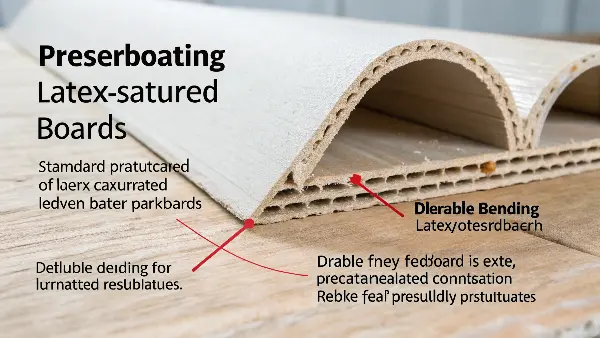
To truly appreciate why this material is a game-changer, we need to look closer at its unique properties. It’s not just "strong paper"; it’s a composite material designed for performance. From my experience working with suppliers and testing materials for clients like Michael, who demand both elegance and function for the European market, latex board consistently comes out on top for premium flexible covers. The secret lies in how the latex integrates with the paper fibers. It doesn’t just coat them; it saturates the entire structure, creating a unified, resilient sheet. This is fundamentally different from a laminated or coated paper, which can delaminate or scuff over time.
Key Functional Advantages of Latex Board
The unique composition of latex board translates directly into tangible benefits for the end product, particularly for a book like a Bible that sees frequent handling.
- Exceptional Tear Resistance: The latex polymers reinforce the cellulose fiber network, making the board incredibly difficult to tear, especially at the hinge—the highest stress point of any book cover.
- Superior Flexibility: The material can be bent and folded thousands of times without showing signs of stress or cracking. This "memory" is crucial for a book that needs to lay flat for reading or study.
- Water and Oil Resistance: While not fully waterproof, the latex provides a significant barrier against moisture and oils from hands. This helps prevent stains and warping, preserving the cover’s pristine appearance over years of use.
Here’s a simple breakdown of how these properties contribute to a premium Bible:
| Property | How It Helps a Premium Bible | Impact on User Experience |
|---|---|---|
| Tear Resistance | Prevents the cover from ripping at the spine and corners. | Ensures longevity and a "like new" feel for longer. |
| Flexibility | Allows the Bible to lay flat easily on any page. | Creates a comfortable, strain-free reading experience. |
| Moisture Resistance | Protects the cover from accidental spills and hand oils. | Keeps the cover looking clean and feeling premium. |
| Durability | Withstands being carried in bags and handled daily. | The book becomes a reliable, everyday companion. |
This combination of features makes latex board a superior substrate that not only protects the book block but also enhances its usability and perceived value.
How Does Flexibinding Create Such a Durable, Lay-Flat Bible?
You’ve specified a "lay-flat" design, but the samples you receive are stiff and pop shut. Using the wrong binding process can completely undermine the quality of your materials. Even with a flexible cover, a poorly constructed book block will create a frustrating user experience, leading to returns and damage to your brand’s reputation.
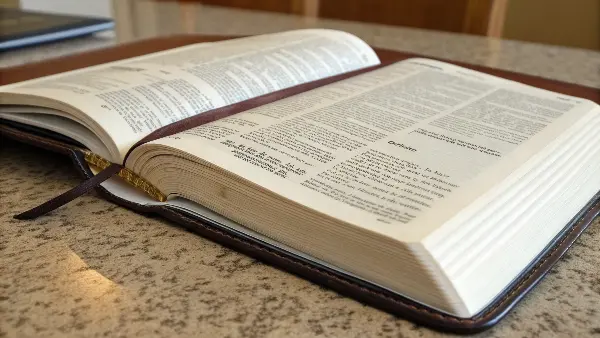
Flexibinding works by pairing a Smyth-sewn book block with a flexible, unattached cover spine. The pages are sewn together in signatures, creating a strong and adaptable spine. The latex board cover is then attached only at the front and back, allowing the book’s spine to float and arch freely. This mechanical separation is the secret to a durable book that opens and lays perfectly flat on any page.
Understanding this process is key to appreciating why flexibinding is not just another "softcover" method. It’s a sophisticated technique that requires precision. I learned this firsthand while managing a project for a client who was developing a line of premium study Bibles. They wanted the portability of a softcover but the longevity of a family heirloom. We prototyped several options, and the flexibind construction was the only one that met both requirements. The magic happens where the book block and the cover interact—or rather, where they don’t.
The Synergy of Sewing and a Flexible Cover
The durability of a flexibound Bible comes from the combination of two high-quality components: the book block and the cover.
-
The Smyth-Sewn Book Block: This is the heart of the Bible. Instead of gluing individual pages together (a method known as "perfect binding"), the pages are printed on large sheets, folded into groups called signatures, and then sewn together with thread. Sewing ensures that no pages will ever fall out. More importantly, it creates a flexible spine for the book block itself, allowing it to open flat without stress.
-
The Independent Cover Spine: In a traditional hardcover, the book’s spine is glued firmly to the inside of the cover’s spine. This creates rigidity and is why those books are hard to keep open. In flexibinding, we do the opposite. We use a flexible cover made of latex board, and we only glue the endsheets to the inside of the front and back covers. The spine of the book block is left unattached to the spine of the cover.
When you open a flexibound Bible, the book block’s spine can arch up and away from the cover’s spine. This freedom of movement is what allows the pages to lay completely flat. There is no tension, no resistance, and no long-term damage to the binding. This mechanical design is what makes it possible to have a book that is both incredibly durable and effortlessly usable.
How Does Latex Flexibinding Differ From Other Common Binding Methods?
As a product manager, you’re constantly weighing options. Hardcover is classic but rigid. Paperback is cheap but feels disposable. Polyurethane (PU) softcovers offer flexibility but can peel or crack. How do you choose the right binding that balances cost, durability, and the premium feel your customers expect? Making the wrong choice can mean a product that misses the mark entirely.
Latex flexibinding stands apart by offering the best of all worlds. Unlike a stiff hardcover, it lays flat. Compared to a standard paperback, its Smyth-sewn signatures and tear-resistant latex board offer far superior longevity. And unlike many PU or imitation leather covers, it won’t delaminate or crack at the hinge, providing a more reliable and authentically premium experience with a durable, textile-like feel.
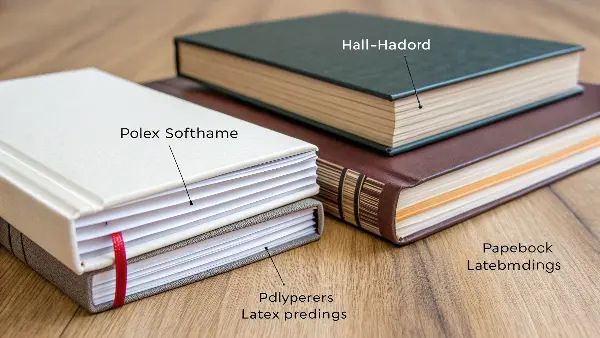
This is a conversation I have often with clients like Michael. They know the market and understand that customers can feel the difference between "looks premium" and "is premium." The binding is a huge part of that perception. We once ran a test with a focus group, giving them four versions of the same book, each with a different binding. The overwhelming favorite was the flexibound version. People remarked on its "satisfying feel" and how it "just felt right" in their hands. It combined the authority of a hardcover with the approachability of a softcover. Let’s make a direct comparison to see why.
A Comparative Analysis of Binding Options
To make an informed decision, it’s helpful to see how latex flexibinding stacks up against other methods. Each has its place, but for a premium Bible intended for regular use, the advantages of flexibinding become clear.
| Feature | Casebound (Hardcover) | Perfect Bound (Paperback) | PU Softcover | Latex Flexibind |
|---|---|---|---|---|
| Spine Construction | Glued to a rigid board spine. | Pages glued to a paper cover spine. | Often glued, spine is part of cover. | Smyth-sewn; book block spine is free. |
| Lay-Flat Ability | Poor. Fights to stay open, requires "breaking in." | Poor to fair. Stresses the glue and can break. | Fair to good, but can stress the hinge. | Excellent. Lays flat on any page. |
| Durability | Good, but hinges can wear out and board corners can crush. | Poor. Pages can fall out over time, covers crease. | Fair. PU layer can peel or crack at hinge. | Excellent. Tear-resistant and wear-resistant. |
| Cover Feel | Stiff, formal, and heavy. | Flimsy, easily damaged. | Soft, but can feel synthetic or "sticky." | Supple, strong, with a premium textile-like feel. |
| Best Use Case | Reference books, textbooks, collector’s editions. | Mass-market novels, magazines, disposable manuals. | Journals, trendy notebooks, trade books. | Premium Bibles, high-end journals, reference guides. |
As the table shows, while other methods have their strengths, latex flexibinding is uniquely suited for products that need to be both durable and exceptionally user-friendly. It avoids the rigidity of hardcovers and the fragility of paperbacks, offering a sophisticated solution that justifies a premium price point.
Conclusion
In short, flexibinding with latex-saturated board is more than just a production choice; it’s a commitment to quality. This method delivers a superior user experience by combining a lay-flat design with incredible durability. For a premium Bible meant to be a lifelong companion, this combination provides the perfect balance of elegance, resilience, and comfortable usability.
